Pu Pu Platter
Have you ever scanned a Chinese restaurant menu and asked, “What is a pu pu platter?” You are not alone. This iconic appetizer is a cornerstone of American dining, especially in Chinese-American and tiki-themed restaurants. More than just food, it is an experience. Picture a large, often round platter arriving at your table, sometimes with a small flame burning in the center, loaded with an assortment of delicious, shareable bites. It is a promise of variety, fun, and a communal start to a meal. For many, the pu pu platter is a direct ticket to nostalgia, evoking memories of family celebrations and festive nights out. Its unique name sparks curiosity, and its generous offerings guarantee satisfaction.
The journey of the pu pu platter is a fascinating story of cultural adaptation. It is a true American creation, born from the blending of Hawaiian tradition, Chinese-American culinary innovation, and the mid-century mainland fascination with Polynesian style. While commonly found under the “Chinese takeout” section, its soul is equally rooted in the tropical tiki bars that once dotted the country. Today, ordering a pu pu platter for two or more is a popular ritual, offering a perfect way to sample a restaurant’s best appetizers without having to choose just one. This comprehensive guide will dive deep into every aspect of this beloved dish. We will explore its surprising origins, detail exactly what comes on a pu pu platter, provide expert tips for finding the best pu pu platter near me, and guide you through creating a show-stopping version at home with simple pu pu platter recipes. Get ready to become an expert on this delightful feast of small bites.
What Is a Pu Pu Platter? Defining an American Classic
When someone asks, “What’s a pu pu platter?” the simplest answer is: a shared appetizer sampler. However, that description barely scratches the surface of its role in American food culture. A pu pu platter is typically a large, decorative tray holding multiple portions of a restaurant’s most popular hot and cold appetizers. It is designed for sharing, making it the perfect centerpiece for a table of friends or family. The experience transforms ordering food from an individual task into a collective event. Everyone gets to pick and choose their favorites, try new things, and engage in the meal together.
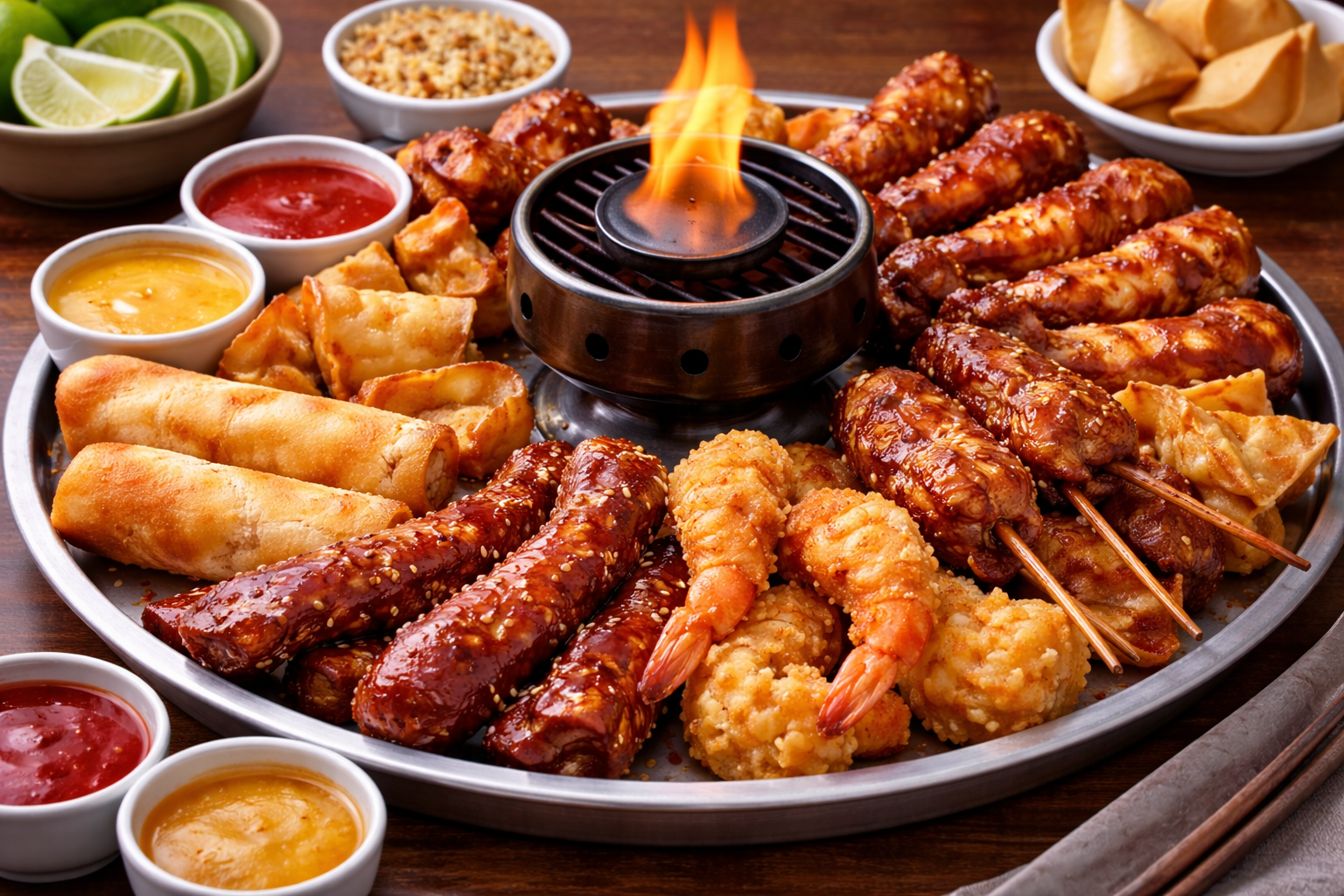
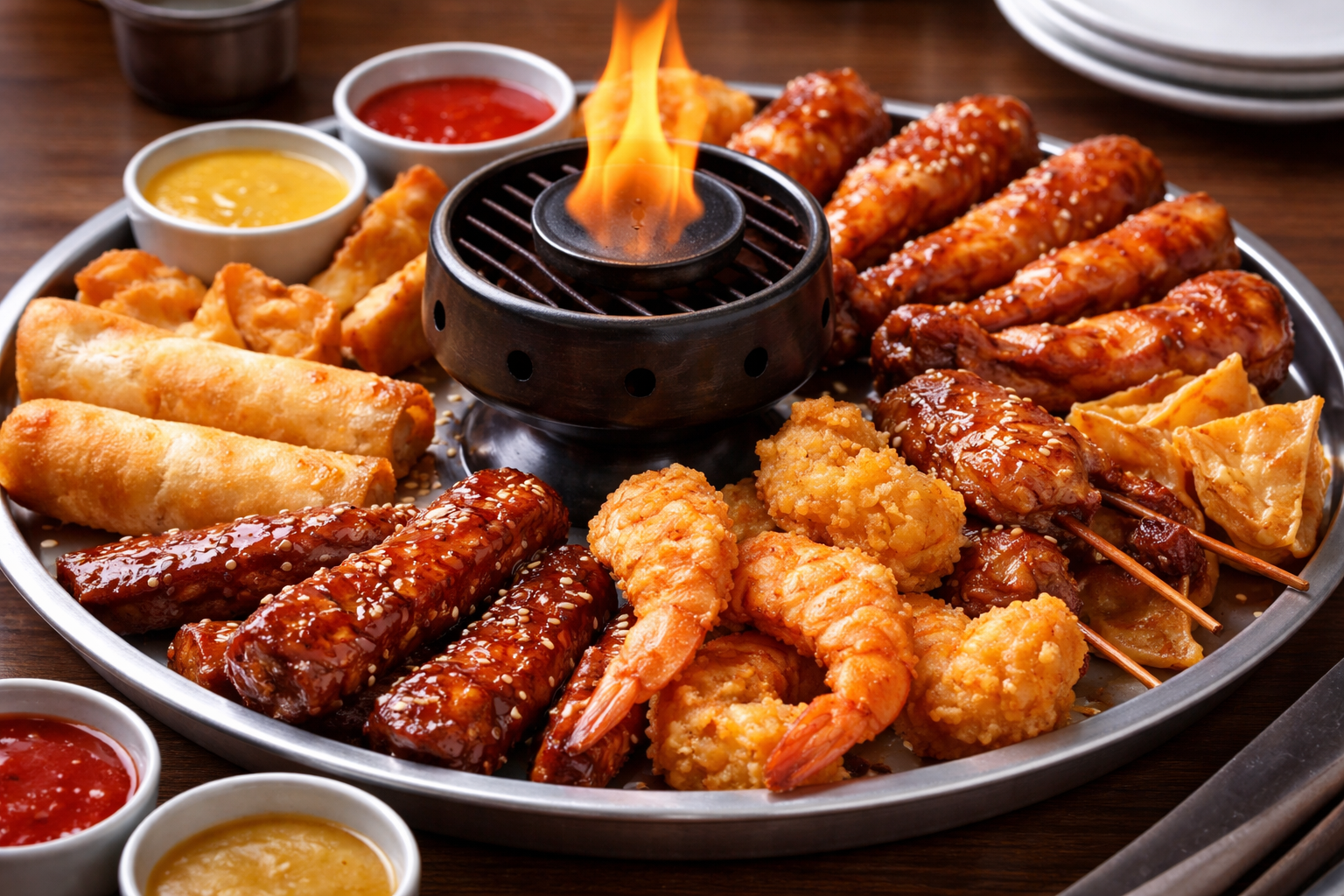
The classic presentation is key to the experience. Traditionally, the Chinese pu pu platter was served on a wooden lazy Susan with a built-in hibachi grill—a small metal grate over a can of Sterno flame—right in the center. This was not merely decorative; it was interactive. Diners could use long forks or skewers to reheat a spare rib, crisp an egg roll, or warm a teriyaki stick over the gentle fire. This theatrical, hands-on element made the meal memorable and fun. While the flaming centerpiece is less common in modern restaurants, the spirit of a varied, shareable, and celebratory appetizer feast remains the defining characteristic of the pu pu platter, a question that remains.
The Rich History and Etymology of “Pu Pu”
To understand the pu pu platter, one must start with its name. The term originates from the Hawaiian word “pūpū” (pronounced poo-poo). In the Hawaiian language, it originally referred to a type of shellfish or a small snail used as food or bait. Over time, its meaning expanded generically to mean any light snack or appetizer, similar to the Spanish “tapas” or the Japanese “otsumami.” In Hawaii, you will still see “pupu” on menus today, denoting a range of small, flavorful dishes often served with drinks.
So, how did a Hawaiian word become attached to a platter of Chinese-American food on the mainland? The connection was forged during the “Tiki Culture” explosion that swept the United States from the 1930s through the 1960s. Entrepreneurs like Donn Beach (of Don the Beachcomber) and Victor Bergeron (of Trader Vic’s) created elaborate Polynesian-themed restaurants and bars. These venues were fantasies of the South Pacific, complete with bamboo decor, rum-based cocktails, and “exotic” foods. They adopted the Hawaiian concept of “pupu” and fused it with American Cantonese-style appetizers that were popular and easy to share. Thus, the pu pu platter was born as a tiki bar staple, designed to be a hearty, salty complement to sweet, potent cocktails like the Mai Tai. Its popularity in these trendy spots paved the way for its adoption by Chinese-American restaurants nationwide, where it became a menu superstar. This history perfectly explains why the dish feels like a hybrid—a Hawaiian pu pu platter in spirit and a Chinese pu pu platter in content.
Next, let’s answer the most common question diners ask when faced with a pu pu platter: what exactly comes on it? The million-dollar question for any first-time orderer is: “What’s on a pu pu platter?” While the exact composition can vary by region and restaurant, a classic platter is built on a foundation of crowd-pleasing favorites that offer a balance of textures and flavors: crispy, savory, smoky, and sweet. The selection is designed to provide something for everyone. A typical platter for a small group might include five to seven different items, each in portions large enough for a few bites per person.
You can generally expect items from several key categories. First, look for skewered and grilled proteins. These often include beef teriyaki sticks, chicken satay, or grilled shrimp. Next, the fried and crispy section is essential, featuring golden-brown egg rolls (or spring rolls), crunchy fried wontons, and the universally beloved crab rangoon—a creamy, cheesy filling inside a crispy wonton wrapper. The saucy and glazed items provide the finger-licking component, like tender spare ribs in a sweet and tangy sauce or sticky chicken wings. Some platters may include rumaki, an appetizer of chicken liver and water chestnut wrapped in bacon, a direct nod to its tiki bar origins. Finally, no platter is complete without dipping sauces. Small bowls of bright red sweet and sour sauce, fiery hot mustard, and plum or duck sauce are always present for dunking and enhancing every bite.
The Standard Pu Pu Platter Lineup
| Component Category | Most Common Examples | Description and Purpose |
|---|---|---|
| The Skewered Item | Beef Teriyaki, Chicken Satay, Pork Skewers | Provides a grilled, savory element. Fun to reheat over a flame if present. |
| The Fried & Crispy | Egg Rolls, Crab Rangoon, Fried Shrimp, Fried Wontons | Delivers the essential satisfying crunch and rich, savory flavors. |
| The Saucy & Glazed | BBQ Spare Ribs, Sticky Chicken Wings, Teriyaki Meatballs | Offers sweet, sticky, and messy flavors that are deeply satisfying. |
| The Classic Wild Card | Rumaki (bacon-wrapped chicken liver/water chestnut) | Adds a rich, smoky, and retro touch honoring the platter’s tiki history. |
| The Dipping Sauces | Sweet & Sour, Hot Mustard, Duck Sauce, Teriyaki | Allows for customization and adds bursts of contrasting flavor (sweet, spicy, tangy). |
Hawaiian Pupu vs. Chinese-American Pu Pu Platter
Before comparing the typical platter, it’s important to distinguish between a traditional Hawaiian pu pu platter and the mainland Chinese pu pu platter. While they share a name and the concept of shared snacks, their contents can be quite different. In Hawaii, “pupu” refers broadly to any appetizer. A Hawaiian pupu spread is more likely to reflect the islands’ diverse culinary influences, including native Hawaiian, Japanese, Filipino, Portuguese, and Korean flavors.
You might find items like poke (cubes of marinated raw fish), kalua pig (slow-roasted shredded pork), lomi lomi salmon (a tomato and salmon salad), chicken katsu, spam musubi, or even edamame and sashimi. The focus is on fresh, often lighter flavors that pair well with the tropical climate and drinks. In contrast, the mainland Chinese pu pu platter is a specific, standardized set of cooked, often fried, American-Chinese appetizers designed for a different kind of festive occasion. Understanding this difference enriches your appreciation for the dish; the mainland version is not an authentic Hawaiian export but rather a creative and successful adaptation of the concept using the popular Chinese-American food lexicon.
How to Find and Order the Best Pu Pu Platter Near You
Craving one now? Your search for the perfect pu pu platter near me can be an adventure. Start with well-established, family-run Chinese-American restaurants, as they are most likely to feature this classic item on their menu. Look for phrases like “Appetizer Sampler,” “Combination Platter,” or “Hot Appetizer for Two”—these are often synonyms for the pu pu platter. Online review sites and food apps are invaluable tools; search for the keyword “pu pu platter takeout” to see photos posted by other diners. These images will give you the best clue about the variety, portion size, and presentation a restaurant offers.
When you are ready to order, do not hesitate to ask questions, especially if you are seeking the full experience. You can call and ask, “What comes in a pu pu platter at your restaurant?” or “Do you still serve it on the platter with the flame in the middle?” If you are ordering for a small group, clarify if the standard platter is sufficient or if you should order a “pu pu platter for 2” specifically. For takeout, understand that the presentation will naturally be different—items are usually packaged in separate containers—but the delicious variety remains. The goal is to find a platter that feels abundant, looks fresh and crisp, and makes everyone at the table excited to dig in.
Creating Your Own Feast: Pu Pu Platter Recipes for Home
Hosting a party or simply wanting a fun family dinner? Making a pu pu platter at home is easier than you think and incredibly rewarding. You do not need to prepare every component from scratch. The modern, smart approach is a strategic mix of homemade, store-bought, and quality frozen items. This method ensures maximum flavor with manageable effort. Start by choosing a theme and selecting 5-7 items that provide a mix of textures and flavors, just like a restaurant would.
Pick one or two items to make fresh, which can become your signature dish. Simple pu pu platter recipes like homemade teriyaki glaze for skewers or a quick batch of rumaki are impressive yet straightforward. Then, supplement with high-quality frozen appetizers from your grocery store’s freezer aisle. Items like mini egg rolls, coconut shrimp, potstickers, or vegetable spring rolls are excellent choices. Bake them according to package instructions. Arrange everything generously on a large platter or board. Fill small ramekins with store-bought duck sauce, sweet chili sauce, hot mustard, and maybe a homemade soy-ginger dip. Garnish with lemon wedges and chopped green onions for color. In less than an hour, you will have a spectacular, crowd-feeding homemade pu pu platter that rivals any restaurant version.
The Cultural Significance and Modern Evolution
The pu pu platter holds a unique place in American culinary history. It is a symbol of a specific era of dining—a time of themed restaurants and adventurous, yet approachable, “exotic” eating. It represents the successful adaptation of immigrant cuisine into the mainstream, creating a new tradition that families have embraced for generations. For many, it is not just food; it is associated with celebration, togetherness, and the simple joy of trying a little bit of everything.
Today, the concept continues to evolve. Chefs and home cooks are putting creative spins on the idea. You might see a modern pu pu platter with Korean fried chicken wings, Thai-style fish cakes, and vegan crispy tofu. The “snack board” or “graze board” trend is a direct descendant of the pu pu philosophy. Furthermore, the principle has become a brilliant parenting strategy. Serving a child’s meal as a “deconstructed pu pu platter”—with small portions of protein, veggies, fruit, and carbs in separate compartments—can encourage picky eaters to try new foods in a low-pressure, fun way. This proves the core idea is timeless: a variety of small, shareable bites is a universally appealing way to eat.
Your Pu Pu Platter Questions Answered (FAQs)
Conclusion: Celebrating a Shareable Tradition
The pu pu platter is a testament to the dynamic, ever-blending nature of American food culture. It is a dish born from Hawaiian tradition, popularized by Polynesian fantasy, and sustained by Chinese-American kitchens. It transcends its components to become an experience of community, choice, and culinary fun. Whether you are seeking the nostalgic thrill of the restaurant platter with a flame or the creative satisfaction of building your own at home, the pu pu platter offers a unique and joyful way to eat.
So, what will you do with this knowledge? Will you embark on a quest to find the most authentic or extravagant pu pu platter Chinese takeout in your city? Or will you gather your favorite people for a homemade tiki night centered around your custom creation? Whichever path you choose, you are participating in a delicious and enduring piece of American dining history. Grab a skewer, pass the sweet and sour sauce, and enjoy the simple, shared pleasure of the mighty pu pu platter.

About the Author