D and D Racing: The Complete Guide to the Name, Teams, Tracks, Parts, and How to Find the Right One
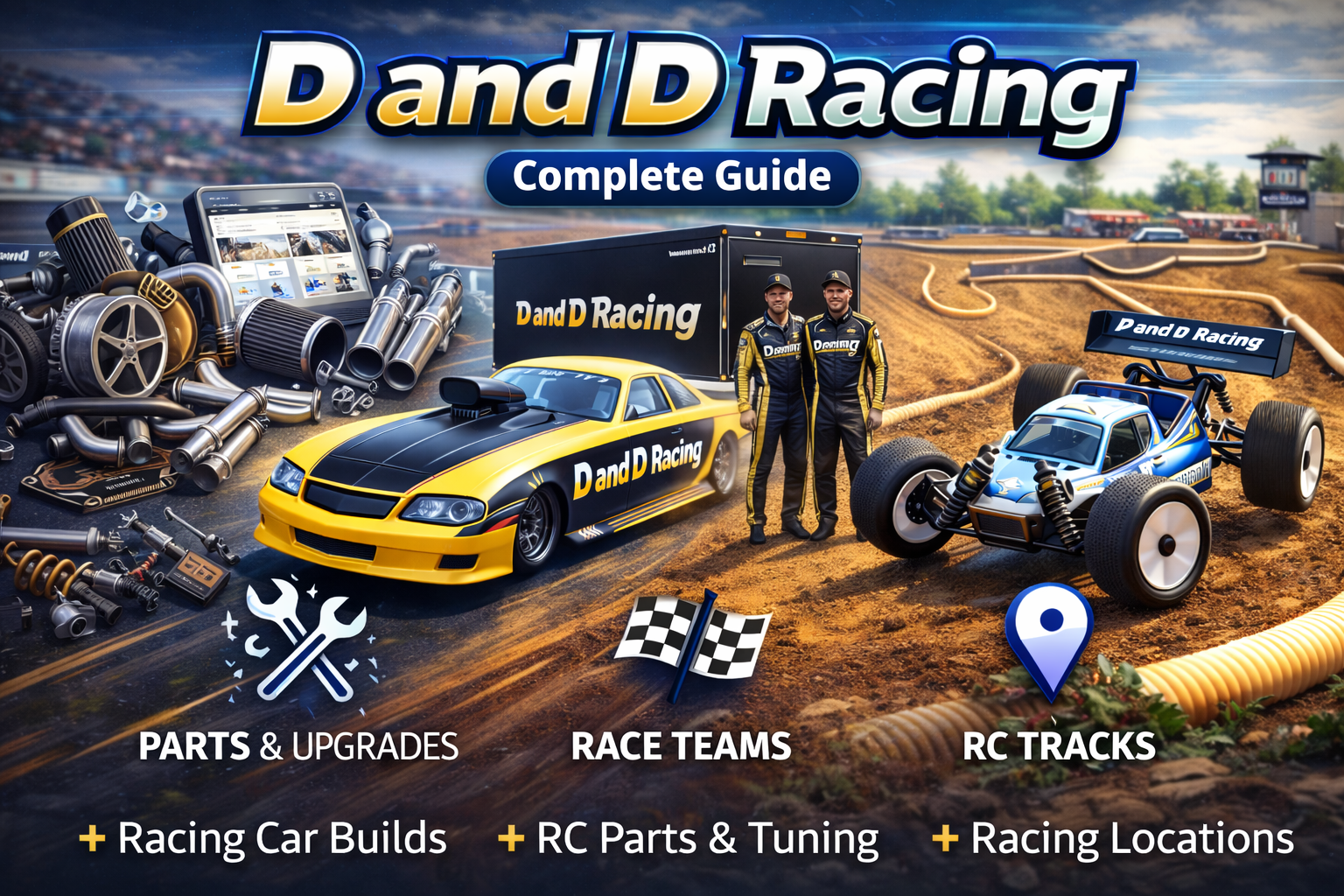
If you searched D&D Racing, you probably noticed something odd. The name shows up in more than one racing space. Some people mean a race team. Some mean a parts brand. Others mean an RC track or a shop page. That can feel confusing at first, yet it is also a good sign. It means the name has real traction in racing culture. It also means you need a clear path to the exact one you want.
Before we get into the details, here’s how this guide can help you cut through the confusion. This guide breaks it down in a simple way. You will learn what d and d racing can refer to, what people usually look for, and how to confirm you found the right place. I will also share a few “real-world” checks that I use when researching any racing brand name online. If your goal is parts, events, team info, or track details, this article will help you move fast and avoid wrong clicks.
What “D and D Racing” Usually Refers To
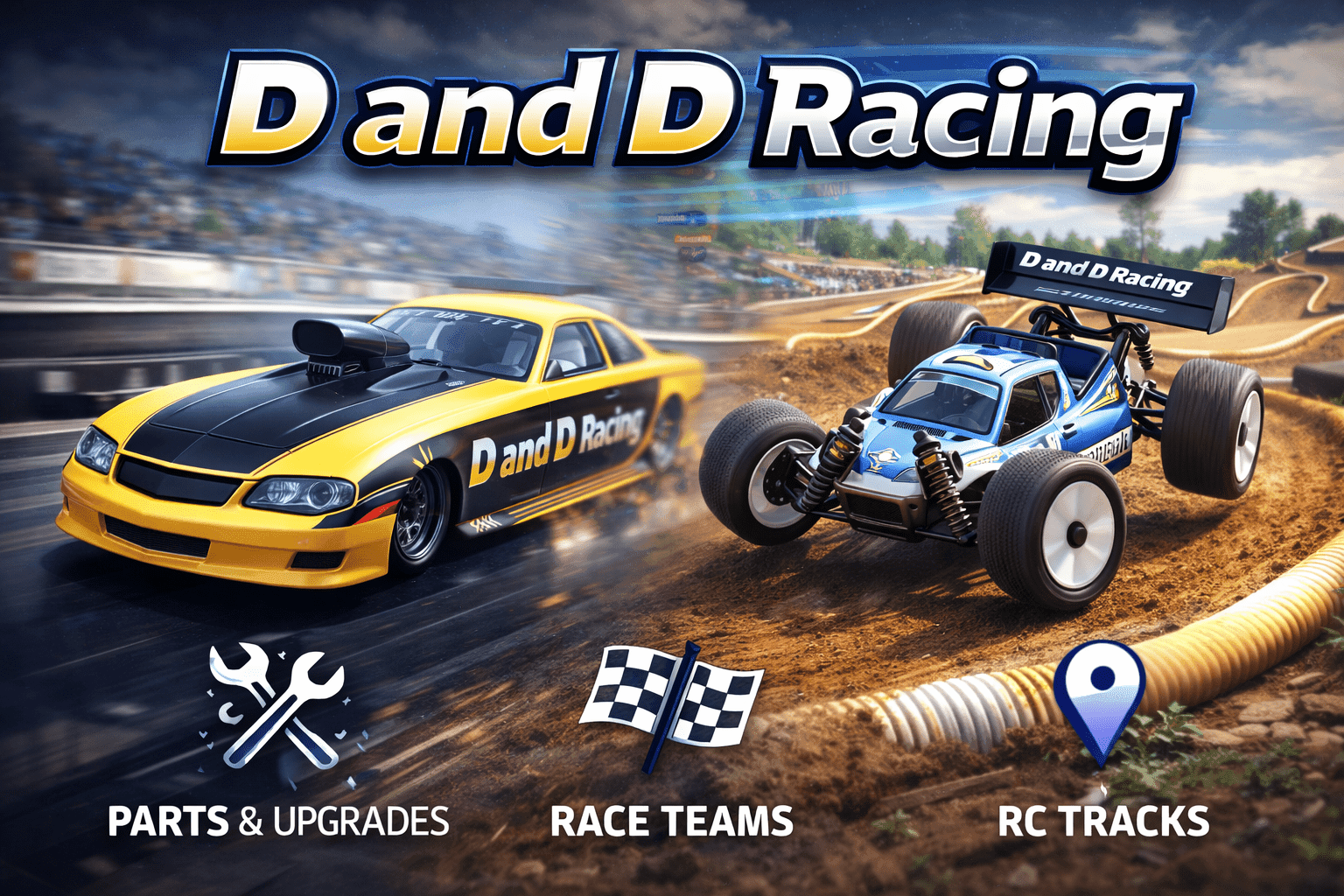
To understand why multiple results pop up, start by considering how the phrase d and d racing is used in different niches. In many cases, it points to a brand name used by a small business. In other cases, it is a team identity used in motorsports content. Sometimes it is linked to RC racing communities. The key is this: the same name can exist in more than one place at the same time.
Most searches fall into three buckets. First, people want parts, mounts, upgrades, or tuning-related items. Second, people want a race team, video highlights, or event results. Third, people want a track or racing location tied to the name. Each bucket has different signals you can use to confirm you found the right one. Once you spot the bucket, the rest becomes easier. This saves time and keeps your search clean.
Why the Name Shows Up in So Many Racing Communities
Racing has a long tradition of short brand names. Two letters, two initials, or two names joined by “and” are easy to remember. That is why d and d racing can pop up in drag racing videos, RC track pages, product listings, and even local racing groups. The name is short, strong, and easy to put on a banner, a car, or a social bio.
Another reason is that racing culture is local. A small team can build a big following in one region. At the same time, a parts maker can grow online with a similar name. Both can be real. Both can be trusted. The issue is not “fake vs real.” The issue is “which one matches your intent.” Once you treat your search like a match game, you will land on the right result faster.
Your Quick “Find the Right One” Checklist
Before you spend money or share details, do a quick check. This works for d and d racing and for any racing name you find online. Start with the category. Is the page selling products, showing race media, or listing a physical track? The layout usually tells you in seconds. Product pages show prices, stock, and part codes. Team pages show cars, events, sponsors, and race-day posts. Track pages show location, hours, rules, and class schedules.
Next, verify consistency. Check if the same logo, same location, and same contact name repeat across pages. A solid brand stays consistent. Then check freshness. Look for recent updates, recent posts, or new inventory. Active pages reduce risk. Last, trust your instincts. If a page feels messy, pushes random downloads, or has strange redirects, exit fast. Racing is fun. Online safety still matters.
D and D Racing as a Parts Brand
One common meaning of d and d racing is a parts name tied to RC racing or niche motorsport parts. These listings often include precise part names, short product codes, and fitment details. You might see items made for specific platforms, chassis, or body types. That is a strong clue you are looking at a parts brand, not a team page.
If you are buying parts, focus on fitment first. Ask: “Does this part match my exact platform?” Also check return terms, shipping, and stock status. If you cannot confirm fitment, pause and verify before checkout. I always recommend taking one extra minute to confirm compatibility. It saves money and prevents frustration. With d and d racing parts searches, this is extra important because the name can overlap with other racing identities.
D and D Racing as a Race Team Identity
Another popular meaning of d and d racing is a team name used in motorsport content. You may see it in video titles, race-day posts, and highlight reels. This is common in drag racing, grudge racing, and local series coverage. Team pages tend to show cars, trailers, shop shots, event travel, and win posts.
If your goal is team info, look for patterns. Do the posts show the same vehicles and crew? Do the captions reference the same region and track names? Does the same logo appear on shirts, cars, or social banners? A real team identity will feel consistent across months of posts. If you see a one-off mention, it might be a sponsor tag or a cameo. In that case, keep digging until you find the core page.
D and D Racing in RC Racing and Track Culture
RC racing has its own world. Tracks, clubs, and raceways often use short names and local branding. So d and d racing can also point to an RC racing place or community. These pages often mention off-road, dirt oval, bashing areas, race nights, and brand support. They also post track prep updates and weekly class info.
If you are an RC fan, look for rules and class structure. A real RC raceway usually shares track guidelines, event schedules, and entry details. It may also show photos of the track surface and pit areas. If your intent is to race, location is the deciding factor. Confirm the city and state early. That stops you from mixing a parts brand with a physical track that shares the same name style.
What to Expect When You Visit a D and D Racing Page
No matter which d and d racing you meant, most pages fall into familiar layouts. A parts page focuses on product clarity. It shows photos, fitment notes, and checkout steps. A team page focuses on emotion. It shows wins, builds, travel, and behind-the-scenes moments. A track page focuses on community. It shows events, rules, and race-night energy.
When a page does not match any of these, be careful. Some low-trust pages borrow popular names to pull clicks. That can lead to spam, fake giveaways, or sketchy downloads. Real racing brands do not need shady tactics. They build trust through consistency, clear details, and steady updates. If you keep that standard in mind, you will filter out noise without stress.
Detailed Table: D and D Racing “Meaning Map”
| What you’re looking for | What d and d racing might be | Key signs you found the right one | Best next step |
|---|---|---|---|
| Racing parts | Parts brand or product line | Part codes, fitment notes, price, stock | Confirm compatibility, then buy |
| Race videos | Team identity in motorsports | Race clips, track footage, crew posts | Follow the main team page |
| RC track | Local RC raceway or club | Location, race nights, class rules | Check schedule, then visit |
| News updates | Blog-style racing page | Frequent posts, build updates | Compare dates, read newest |
| Merchandise | Team merch store | Shirts, logos, sponsor tags | Verify official page, then order |
| Confused results | Multiple meanings mixed | Inconsistent branding, vague details | Re-check location and category |
How to Avoid Copycat Pages Using the Same Name
When a name is popular, copycats appear. D and D racing searches can lead you to mixed results. The best defense is a simple verification routine. First, look for consistent branding. Real pages repeat the same logo, same color style, and same voice. Second, verify contact signals. A legit business will show clear contact options and stable social profiles.
Third, watch for pressure tactics. If a page pushes “instant wins,” “free rewards,” or “download now” with no context, exit. Racing brands do giveaways at times, yet they do it in a clean way with clear rules. Fourth, search within the page. Look for an “About” section, history, or pinned posts. Those help confirm identity. This routine takes two minutes and can save you from a bad click.
What Makes D and D Racing Stand Out When It’s Legit
A legitimate d and d racing presence usually has one strong trait. It feels focused. A parts brand focuses on product quality and fitment clarity. A team focuses on performance, consistency, and community pride. A track focuses on a welcoming vibe and clear race rules. That focus creates trust.
You also see real proof. In racing, proof is simple. It can be clear photos, event posts, customer feedback, or repeat updates over time. Even small brands can look premium if they keep their info clean. The best pages make it easy for you to take the next step. Buy a part. Show up for race night. Watch the latest run. That is the difference between a real racing page and a random name page.
How to Talk About D and D Racing in a Blog Post
If you are writing your own blog post on d and d racing, aim for clarity and honesty. Start by stating that the name can refer to different racing spaces. Then explain how to find the right one. Readers love guides that remove confusion. You can also add value by sharing a safety checklist and a “meaning map” like the table above.
Keep your tone friendly and direct. Short sentences help. Concrete steps help more. If you want to add personal commentary, share your process. Say what you check first, how you confirm the right page, and what red flags you avoid. That builds trust fast. It also keeps your content useful even if new pages appear later using the same name style.
Real-World Tips From My Research Habit
When I research names like d and d racing, I never trust a single result. I scan three to five results and compare signals. I look for repeat branding, repeat locations, and repeat owner names. If I see those three repeat, I feel confident. If I see chaos, I slow down.
I also separate “fan content” from “official content.” Fan pages can be fun, yet they are not the place to buy parts or share details. Official pages usually feel structured. They show clear products, clear contact, or clear track info. This habit keeps my research clean and prevents wrong assumptions. If you adopt the same habit, you will get better results with every racing brand you search.
Frequently Asked Questions
1) What is d and d racing?
D&D Racing is a name that can refer to different racing-related identities. It can be a parts brand, a race team name, or a local racing or RC racing community. The best way to confirm is to check if the page is product-focused, team-focused, or track-focused.
2) Why do I see different results for d and d racing?
You see different results because the name is short and easy to reuse. Racing culture has many small teams and brands. More than one can exist with a similar name. Use location, logo style, and content type to identify the right one.
3) Is d and d racing a real company?
It can be. In many cases, it is used by legitimate businesses or teams. The key is verifying which one you mean. Look for consistent branding, clear contact details, and steady updates over time.
4) How do I know I found the official d and d racing page?
Check for consistency across posts and pages. Look for the same logo, the same location, and the same contact name. Official pages also avoid shady download prompts and pushy “instant reward” claims.
5) Is it safe to buy parts from a d and d racing listing?
It can be safe if the seller is credible and the listing is clear. Confirm fitment, read shipping and return details, and check if the brand identity looks consistent. If anything feels unclear, pause and verify.
6) What should I do if I still can’t find the right d and d racing?
Start by writing your intent in one line. Parts, team, or track. Then add a location if you have one. That narrows results fast. If you only have the name, use the table above to match the content signals.
Conclusion: Make D and D Racing Easy to Find
D and d racing can mean different things, and that is fine. What matters is finding the right one for your goal. Once you know if you want parts, a team, or a track, the search becomes simple. Use the checklist. Use the table. Confirm branding and location. Then move forward with confidence.