How Young Athletes Balance Pitch Performance with University Deadlines
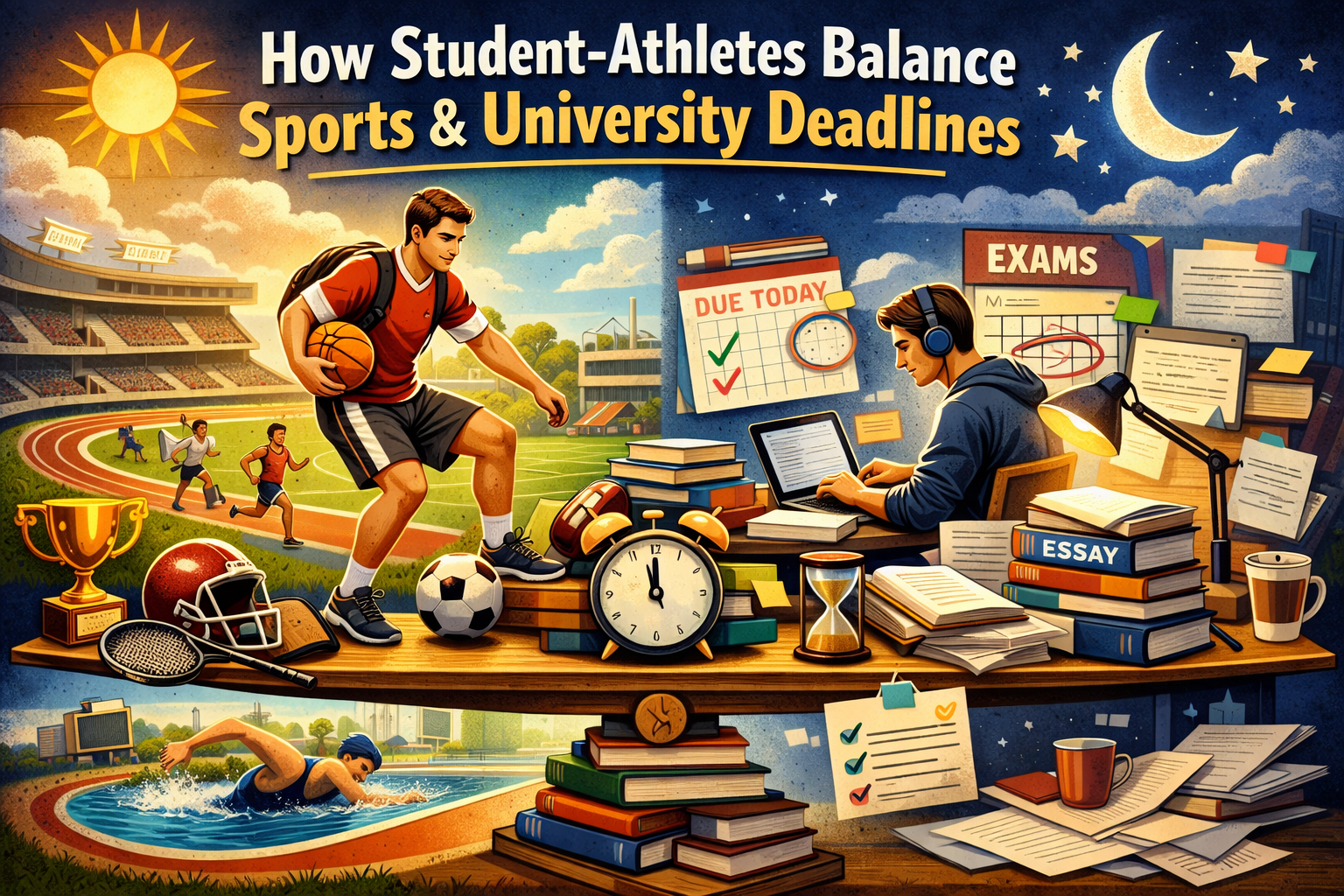
For many young people across the UK, the dream is clear: walking out onto the pitch at Wembley or lifting a trophy at a major tournament. However, for the modern “student-athlete,” that dream often comes with a side of 3,000-word essays, library all-nighters, and the looming shadow of dissertation deadlines.
The pressure to perform at a professional level while maintaining a high GPA is a balancing act that requires more than just physical talent. It demands elite-level time management and a support system that understands the unique stresses of both worlds.
The Dual Career Path: A Growing Trend in the UK
In years past, young athletes often had to choose between a professional sports contract and a university degree. Today, the “Dual Career” path is not only encouraged but often mandatory. Professional academies now place a massive emphasis on education, ensuring that if a player’s sporting career is cut short by injury, they have a solid academic foundation to fall back on.
But let’s be honest: being a full-time student while playing for a high-level club is exhausting. A typical Tuesday might involve a 6:00 AM gym session, three hours of lectures, a two-hour team practice, and then a mad dash to finish a sociology report before midnight. This is where many students look for a reliable assignment help UK service like myassignmenthelp to ensure they don’t fall behind when the match schedule gets intense.
The Psychological Toll of the “Double Life”
One of the most overlooked aspects of the student-athlete experience is the mental strain. On the pitch, you are expected to be fearless, focused, and physically dominant. In the classroom, you need to be analytical, patient, and academically disciplined. Switching between these two mindsets several times a day is mentally draining.
Sports psychology has become a massive field because of this very tension. Students studying this discipline often look at how “identity foreclosure”—where an athlete only sees themselves as a “player”—can lead to burnout. For those currently navigating these complex modules, seeking professional psychology assignment help can provide the necessary breathing room to focus on their actual sport without sacrificing their grades.
Top Strategies for Balancing Sports and Studies
1. The Power of the “Micro-Study” Session
Waiting for a bus to the away game? That’s 20 minutes of reading. Sitting in the physio room getting your ankles taped? That’s ten minutes of checking your references. Successful student-athletes don’t wait for a “free afternoon”—they steal time whenever it appears.
2. Communicating with Tutors Early
British universities are generally very supportive of high-level athletes, but they aren’t mind readers. If you have a major tournament coming up in the middle of finals week, you need to speak to your department head at the start of the semester. Most will offer extensions or alternative exam dates if you show that you are proactive and dedicated.
3. Mastering Digital Tools
From calendar apps that sync with team schedules to AI-driven research assistants, technology is the student-athlete’s best friend. Keeping your syllabus and your training plan in one digital space prevents those “Oh no, that’s due tomorrow?” moments.
Case Study: The Rise of Data in Match Play
As seen on platforms like The Match Play Stats, the modern game is now entirely driven by data. Whether it’s football, golf, or tennis, every movement is tracked. Interestingly, this has made the academic side of sports science even more relevant.
When a student-athlete looks at their own heat maps or sprint speeds, they are engaging in real-world data analysis. This bridge between the pitch and the classroom makes the education feel less like a chore and more like a tool for professional growth. However, translating those real-world stats into a formal academic paper is a different skill set entirely, which is why many turn to professional writing experts to bridge that gap.
The Importance of “Switching Off”
Burnout is the biggest enemy of the student-athlete. If you spend 100% of your time either training or studying, your brain will eventually rebel. It is vital to have at least one evening a week where you do neither.
Whether it’s catching up with friends who aren’t in your sports circle or simply watching a film, that mental reset is what allows you to return to the pitch with fresh legs and to the library with a clear head.
Conclusion
While the road is undeniably tough, the rewards of being a student-athlete are unparalleled. You develop a level of resilience, discipline, and time-management that regular students—and regular athletes—simply don’t have.
By utilizing the right support systems, staying organized, and knowing when to ask for help, you can achieve the “impossible.” You can be the MVP on the field and an Honors student in the hall. It’s not just about surviving the deadlines; it’s about mastering the game of life.